Piano Repairs in Pasco, WA
Pianos are precision instruments built from thousands of individual parts, and even a single failing component can compromise the sound, feel, and playability of the entire instrument. At Dickerson's Piano Service in Pasco, WA, we diagnose and repair acoustic pianos of all makes, models, ages, and conditions — from antique uprights that have been in families for generations to modern grands used in professional settings.
Ready to restore your piano's sound and playability? Contact Dickerson's Piano Service in Pasco, WA today to schedule your piano repair appointment.
What Piano Repairs Actually Involve
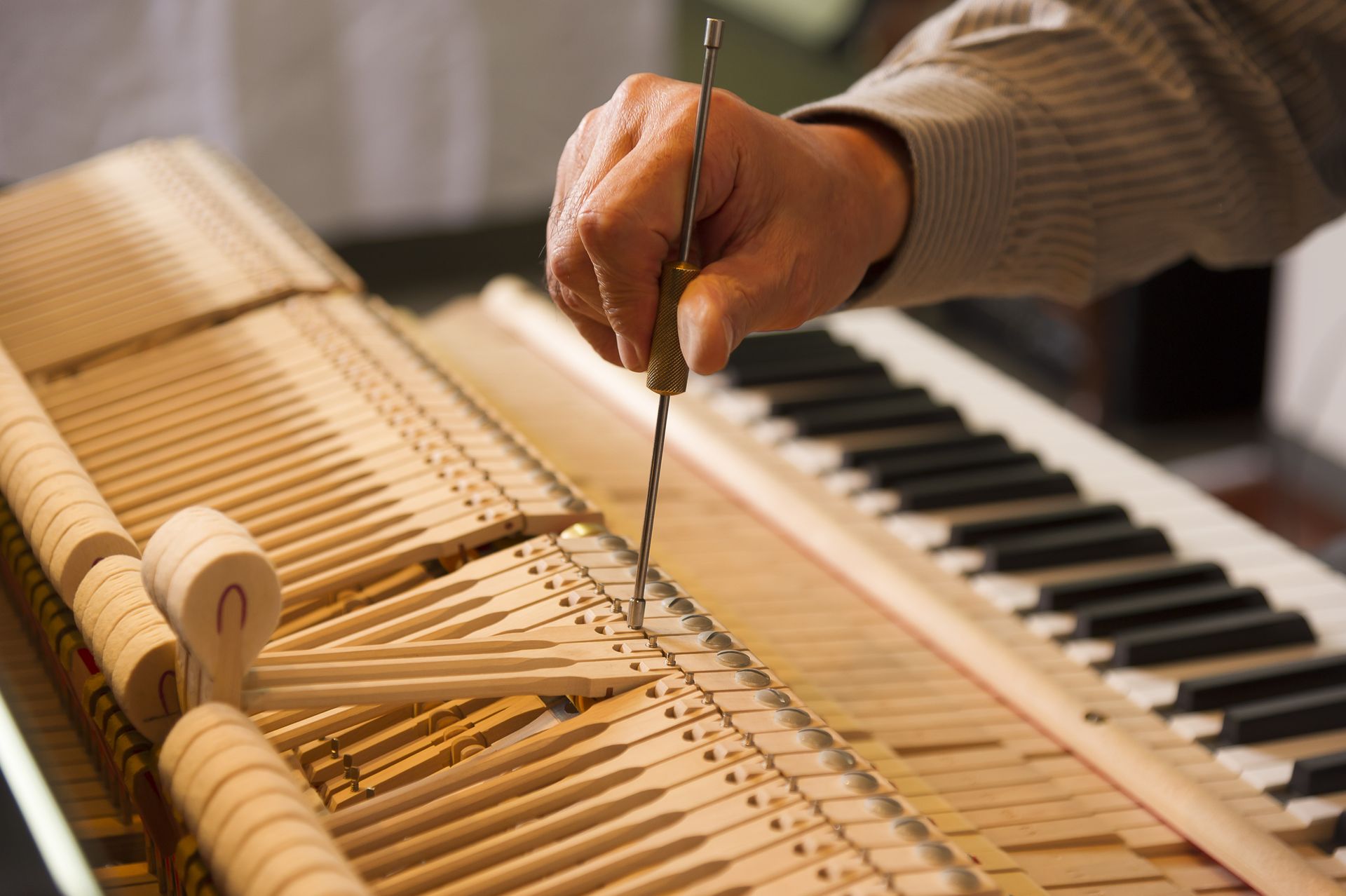
Piano repair is not a single task — it is a broad category of technical work that addresses mechanical failure, structural damage, tonal degradation, and worn components throughout the instrument. The action alone contains over 9,000 parts in a grand piano, each of which can wear, warp, break, or fall out of regulation over time. Repairs may be as straightforward as reattaching a loose key covering or as complex as replacing a cracked pinblock or rebuilding an entire action mechanism.
Every repair begins with a thorough inspection. Before any work is performed, we assess the full condition of the piano — action, strings, soundboard, bridges, pedals, cabinet, and keys — to identify both the presenting issue and any underlying problems that could affect the instrument's long-term performance. A repair completed without this diagnostic step often masks deeper issues that will resurface.
Call Dickerson's Piano Service in Pasco, WA to schedule a diagnostic inspection and get an honest assessment of your piano's repair needs.
Common Piano Repairs We Perform
Piano owners in Pasco and the surrounding area bring instruments to us with a wide range of issues. The repairs we handle most frequently include the following.
Broken or Stuck Keys
- Keys can stick due to swollen key bushings, debris beneath the keybed, or damaged balance rail components. They can also break outright from physical impact or material fatigue. We identify the precise cause and restore full, consistent key movement.
Worn or Damaged Hammers
- Hammer felt wears into deep grooves over years of use, producing a thin, bright, or harsh tone. Depending on the severity of wear, hammers may be voiced — reshaped and needled — or replaced entirely with new hammer heads.
Broken Strings
- String breakage is common on older instruments and on pianos that are brought up to pitch too quickly after years of neglect. We source replacement strings matched to your piano's original specifications and install them correctly to ensure proper speaking length and consistent tension.
Action Regulation Problems
- When the action goes out of regulation, the piano becomes uneven — some notes feel heavy, others light, and dynamic control becomes inconsistent. Action regulation restores uniform key weight, hammer travel, let-off, and after-touch across the entire keyboard.
Pedal Repairs
- Squeaking, loose, or non-functional pedals are a common repair. We address worn pedal trapwork, broken dowels, and damaged lyre assemblies to restore full sustain, soft, and sostenuto pedal function.
Soundboard and Bridge Repairs
- A cracked soundboard or loose bridge can cause buzzing, rattling, or loss of sustain. These structural repairs require experience and precision and are handled with the care they demand.
Contact Dickerson's Piano Service in Pasco, WA to discuss the specific repair your piano needs — we work on uprights, grands, spinets, and consoles.
Upright Piano Repairs vs. Grand Piano Repairs
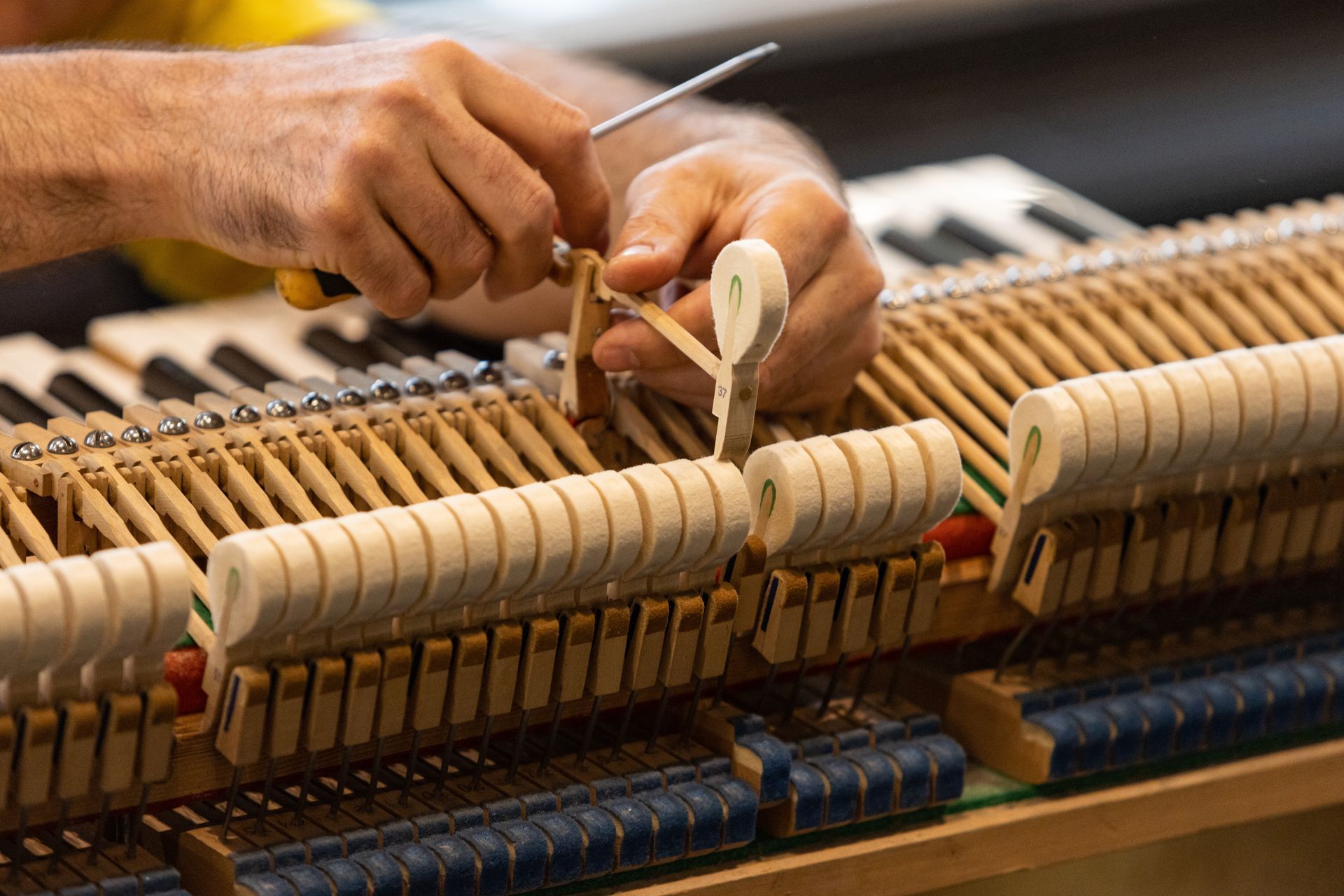
While all acoustic pianos share fundamental mechanical principles, the repair process differs significantly between upright and grand piano designs. In an upright piano, the action is vertical and gravity assists hammer return through spring tension. In a grand piano, the action is horizontal and relies on a repetition lever that allows rapid re-striking of the same note.
This means that diagnosing a repetition problem, a sluggish action, or a damper issue requires a different approach depending on the instrument type. Repairs that are straightforward on a vertical piano may require complete action removal and bench work on a grand. We are experienced working on both formats and carry the tools specific to each design.
Dickerson's Piano Service in Pasco, WA repairs both upright and grand pianos — schedule your service today.
Older and Neglected Pianos
Many pianos that come to us for repair have not been serviced in years or even decades. These instruments often present with multiple compounding issues: pitch that has dropped significantly, strings weakened by corrosion, action parts dried and cracked from lack of humidity control, and felts that have been damaged by moths or compression.
Repairing an older piano requires a realistic, prioritized approach. Not every old piano warrants the same investment, and we give our clients an honest evaluation of what repairs are feasible, what the costs will be, and what the realistic outcome will look like once the work is completed. Some older instruments have exceptional structural bones and are worth a significant repair investment. Others are better candidates for limited functional repairs that make them playable without committing to a full restoration.
If you have an older or neglected piano in the Pasco, WA area, contact Dickerson's Piano Service for an honest evaluation before making any decisions.
The Repair Process at Dickerson's Piano Service
When you bring a piano repair concern to us, the process begins with listening — to you and to the instrument. You describe what you are experiencing, and we assess the piano both visually and through playing to confirm the source of the problem.
From there, we provide a clear explanation of what is causing the issue, what the repair involves, how long it will take, and what it will cost. There are no vague estimates and no work performed without your understanding and approval. Once approved, repairs are completed using quality parts appropriate to the instrument's make, age, and market value.
Schedule your piano repair with Dickerson's Piano Service in Pasco, WA — straightforward diagnosis, quality work, and honest pricing.
Frequently Asked Questions About Piano Repairs in Pasco, WA
How Do I Know if My Piano Needs Repairs or Just Tuning?
Tuning addresses pitch. If your piano sounds out of tune but plays evenly and responds consistently across all keys, tuning may be all that is needed. If keys are sticking, notes are not sounding at all, the action feels uneven, or you hear buzzing or rattling during play, those are signs of mechanical issues that require repair before or alongside tuning.
Can a Piano Be Too Old to Repair?
Age alone does not determine whether a piano is worth repairing. The more relevant factors are the quality of the original instrument, the extent of the damage, and the cost of repair relative to the piano's functional and monetary value. We assess each instrument individually and give you a straightforward recommendation.
How Long Does a Typical Piano Repair Take?
Simple repairs such as a broken key or a squeaking pedal can often be completed in a single visit. More involved repairs — like action regulation, string replacement, or soundboard work — may take several days to a week depending on parts availability and the scope of work.
Is It Worth Repairing an Old Upright Piano?
Many older upright pianos, particularly those built before the mid-20th century by quality manufacturers, are structurally sound and worth repairing. The answer depends on the condition of the pinblock, soundboard, and strings, as well as the extent of action wear. A proper inspection will give you the information you need to make that decision.
What Causes Piano Keys to Stick?
Sticking keys are most commonly caused by swollen wood from humidity fluctuations, debris that has fallen beneath the keys, worn or compressed key bushings, or damaged components in the action above the key. The cause determines the repair, which is why a proper diagnosis is the first step.
Why Does My Piano Sound Buzzing or Rattling on Certain Notes?
Buzzing on specific notes is typically caused by a loose foreign object inside the piano, a cracked soundboard, a loose bridge cap, or a coil of string wire contacting an adjacent string or component. It can also come from loose internal hardware or a vibrating lid or cabinet panel. We isolate the exact source before recommending a repair.
How Often Should a Piano Be Serviced Beyond Tuning?
Beyond regular tuning — typically twice per year — pianos benefit from an action regulation check every few years under normal use and more frequently in instruments played heavily or in environments with significant humidity changes. Regular service intervals catch small problems before they become expensive repairs.
Can You Repair a Piano That Has Been in Storage?
Yes, but pianos that have been stored — particularly in non-climate-controlled environments — often require more extensive work than average. Extended storage can cause pitch drop, string corrosion, felt damage, loose glue joints, and cracked or warped wooden components. A full inspection is essential before any stored piano is brought back into regular use.
What is the Difference Between Regulation and Repair?
Repair addresses broken or failed components. Regulation is the adjustment of the action's mechanical geometry — travel distances, spring tension, hammer let-off, and similar parameters — to bring the piano's feel and response back to its designed specification. A piano can need both simultaneously, or either one independently.
Do You Repair Digital or Electronic Pianos?
Dickerson's Piano Service specializes in acoustic piano repair. Digital and electronic instrument repairs involve different technology and are outside our area of specialty. For acoustic upright and grand piano repairs in Pasco, WA, we are the resource to call.